Asset Tracking Template - Google Sheet: A Practical Solution for Managing Your Business Assets
In today’s fast-paced business environment, keeping track of physical assets is essential for maintaining operational efficiency and financial accuracy. Whether you're managing a small office or a large organization, the Asset Tracking Template - Google Sheet offers a simple yet powerful way to monitor, manage, and maintain a clear record of all your tangible assets. This template is designed to help businesses and individuals stay organized, reduce losses, and make informed decisions about their resources.
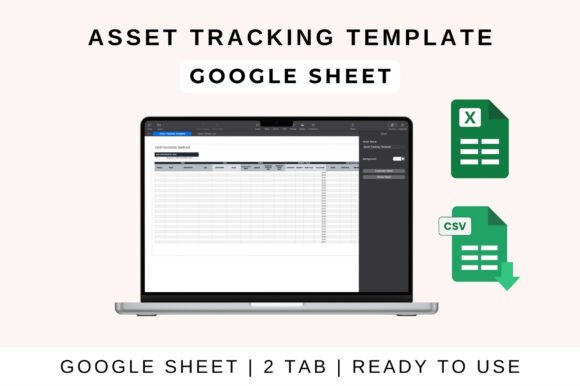
From IT equipment and office furniture to tools and machinery, the Asset Tracking Template - Google Sheet provides a centralized platform for tracking critical details such as asset name, ID tag, category, location, condition, purchase date, and cost. It also supports monitoring depreciation, warranty status, and maintenance schedules, making it an invaluable tool for asset lifecycle management.
Challenges in Asset Management
Many businesses face challenges when it comes to asset management. Without a structured system, it's easy to lose track of valuable equipment, leading to unnecessary purchases, misallocation, and potential financial loss. Additionally, manual record-keeping can be time-consuming and prone to errors, especially as the number of assets grows.
For schools and organizations, the challenge is even greater. With multiple departments and locations, ensuring that each asset is properly documented and maintained becomes a complex task. Inadequate tracking can result in delays, inefficiencies, and difficulties in auditing or reporting.
How the Asset Tracking Template Helps
The Asset Tracking Template - Google Sheet addresses these challenges by offering a user-friendly and customizable solution. Its intuitive design allows users to input and organize data efficiently, while built-in features like automated calculations and real-time updates streamline the process.
One of the key benefits of this template is its ability to keep all asset information in one place. This makes it easy to search, filter, and update records, ensuring that every team member has access to accurate and up-to-date information. Additionally, the template supports collaboration, allowing teams to share and work on the same document simultaneously.
Practical Applications and Outcomes
The Asset Tracking Template - Google Sheet can be used across various industries and scenarios. For example, a small business owner might use it to track computers, printers, and other office equipment, while a school administrator could use it to monitor classroom supplies, lab equipment, and vehicles.
Another practical application is in maintenance scheduling. By setting reminders for routine checks or warranty expirations, users can ensure that assets remain in good working condition and avoid unexpected downtime. This proactive approach not only extends the lifespan of assets but also helps in budgeting for replacements or repairs.
Moreover, the template can be customized to fit specific needs. Users can add or remove fields, adjust formulas, and modify visuals to match their requirements. This flexibility makes it suitable for a wide range of businesses, from startups to established enterprises.
Getting Started with the Asset Tracking Template
Using the Asset Tracking Template - Google Sheet is straightforward. To begin, simply upload the template to Google Drive and open it in Google Sheets. From there, you can start entering your asset details, such as names, IDs, categories, and locations. The sheet will automatically calculate totals, track depreciation, and generate reports, saving you time and effort.
If you prefer using Microsoft Excel, the template is also compatible with that platform. Download the file, enable editing, and customize it according to your preferences. Whether you're working in Google Sheets or Excel, the template ensures that your data remains organized and accessible.
Considerations for Different Users
While the Asset Tracking Template - Google Sheet is designed to be user-friendly, different users may approach it in unique ways. For instance, a tech-savvy individual might take advantage of advanced features like conditional formatting or data validation, while a beginner might focus on the basic tracking functions.
Additionally, larger organizations may need to integrate the template with other systems or software for more comprehensive asset management. However, even for smaller teams, the template provides a solid foundation for tracking and managing assets effectively.
Ultimately, the Asset Tracking Template - Google Sheet is more than just a spreadsheet—it's a strategic tool that empowers users to take control of their assets. By implementing this template, businesses can improve transparency, reduce costs, and enhance overall efficiency. Whether you're looking to streamline operations or simply keep better track of your belongings, the Asset Tracking Template - Google Sheet offers a practical and reliable solution.